Vehicle Dynamics
Overview
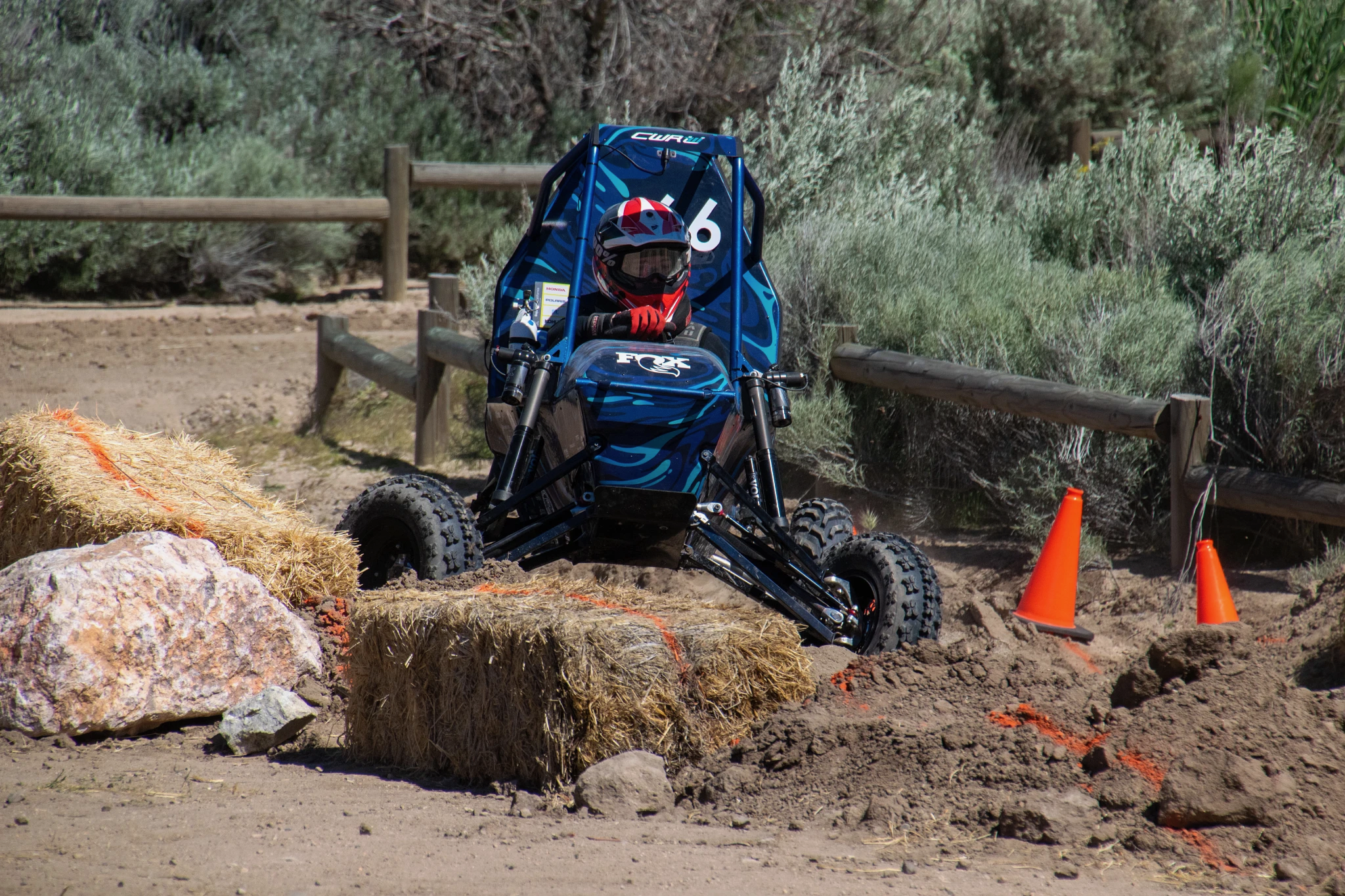
This is a guide to my work in vehicle dynamics, primarily concerning suspension geometry and shock absorbers. I developed the front suspension geometry for the 2026 vehicle and the rear suspension geometry for the 2025 vehicle.



Front Suspension Geometry
- I designed the front suspension geometry on SR26 (2026 vehicle)
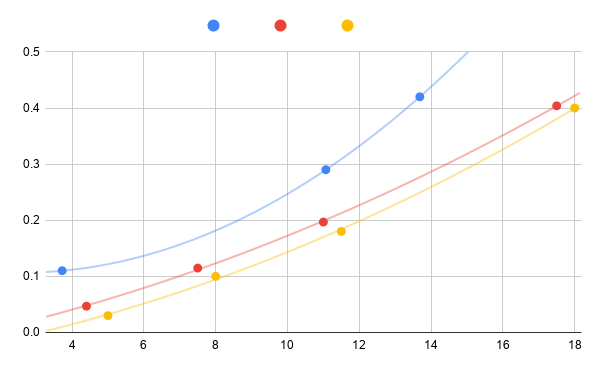
- This is a huge optimization problem with 15+ different variables effecting vehicle handling, steering performance, obstacle performance, and efficiency
- My main goal was to improve steering and cornering performance while maintaining the strong suspension and obstacle performance of SR25
- This meant rethinking the fundamentals behind our steering philosophy and repackaging our front outboard assembly
- Also implemented multiple shock mounts, allowing for more varied vehicle setup between different events
- Iterated through 22 different versions to reach the final design, evaluating each concept against performance & integration feasibility
Rear Suspension Geometry
- I designed the rear suspension geometry on SR25 (2025 vehicle)
- My main goal was to increase the speed we could maintain over obstacles (while maintaining other characteristics)
- This means that the suspension has to absorb more of the impact and the body should stay approximately level
- Iterated through 14 different versions to reach the final design, discussing the pros and cons of each version with team members
- Worked across sub-teams to ensure the geometry accommodated everyone


Shock Absorber Simulation
- I developed a Matlab program to simulate shock behavior based on the force at the wheel
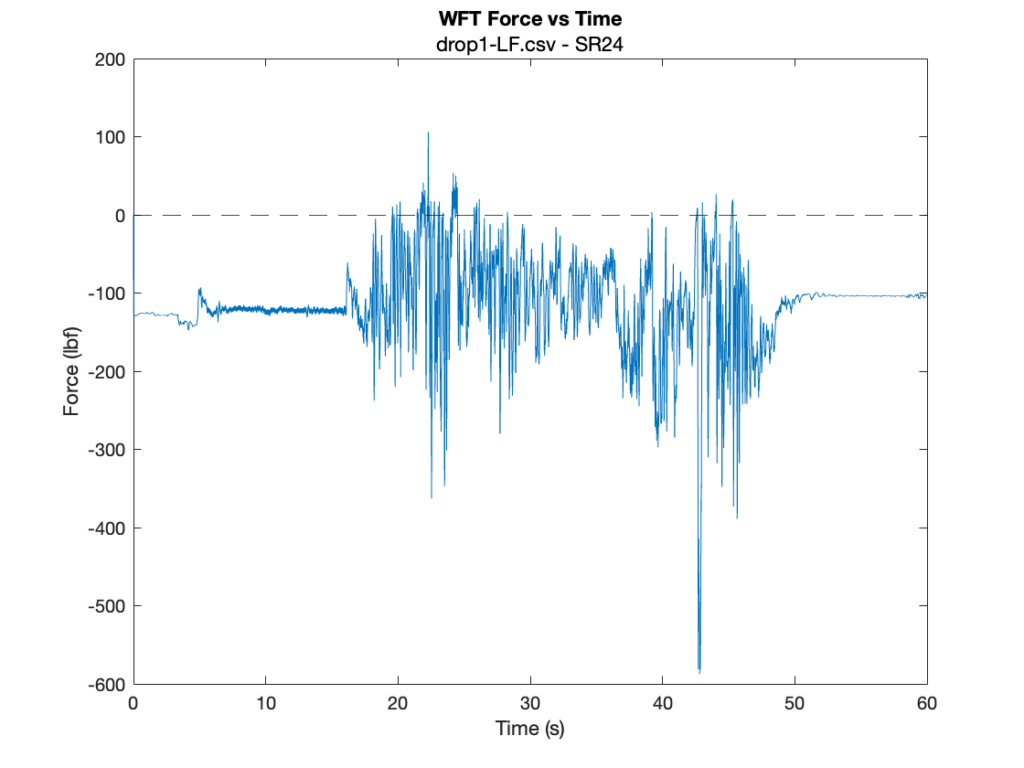
- As input for the program I used data we’d collected of the force experienced at the wheel for a given obstacle
- Then, I treated the suspension arm as a lever to apply this force to the shock
- Next, I used dynamometer data and air spring calculations to determine the force in the shock from both the spring and damper (given the position and velocity of the shock)
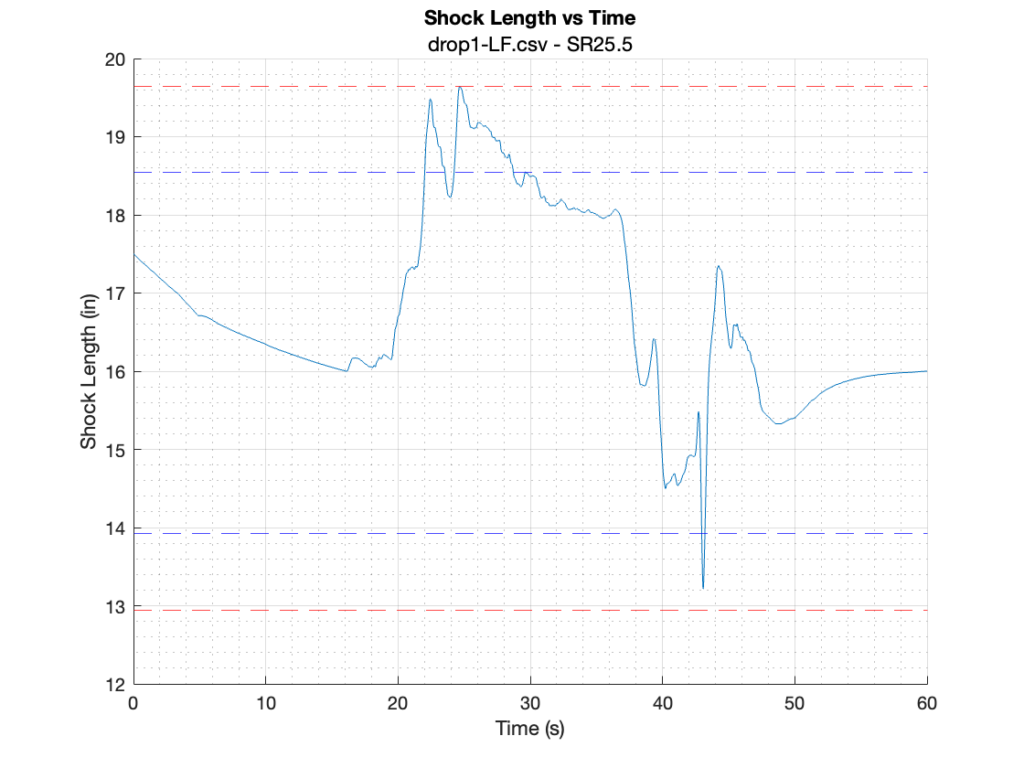
- By iterating across many small time steps, I could simulate the shock by staring at an initial condition, solving for the position and velocity, and then feeding that back to find the force again
- This simulation informed our initial tune and allowed us to compete with an optimal tune without rebuilding shock absorbers (after their initial build)